
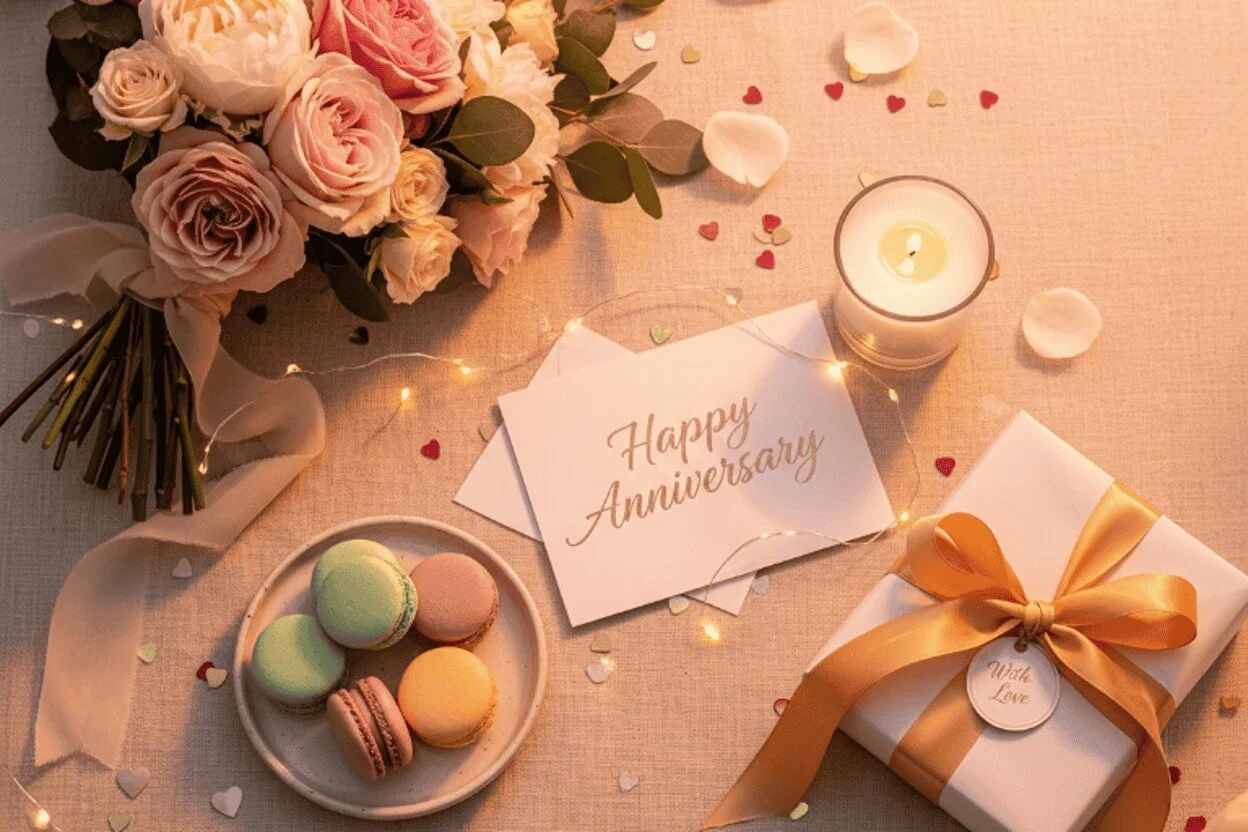
Anniversaries hold profound symbolic value — they mark not just the passage of time, but the evolution of commitment, memory, and shared experience. Yet, for many individuals and organizations, these occasions are treated as repetitive gestures rather than opportunities for renewal. When reframed intentionally, anniversaries can become powerful rituals of growth that help people and teams reflect deeply, celebrate progress meaningfully, and design the path ahead with clarity.
Moving Beyond Celebration: The Psychology of Renewal
Human beings are ritualistic by nature. We thrive on meaning, symbols, and cycles. Anniversaries fulfill our innate need for reflection, but often only superficially. Instead of simply acknowledging a date, the deeper purpose lies in revisiting the story of growth — how far you’ve come, what you’ve learned, and where you’re heading next.
Psychologists emphasize that consistent reflection rituals enhance emotional resilience, self-awareness, and connection. Whether in marriages, friendships, or workplaces, an anniversary offers a structured opportunity for narrative renewal — to rewrite, reaffirm, or even redefine your shared purpose.
Redefining Anniversaries as Progress Ceremonies
A Progress Ceremony is an evolved form of celebration that goes beyond nostalgia. It is an intentional process designed to convert reflection into renewal. The focus shifts from what was celebrated last year to what has been learned since then.
Core Principles of a Progress Ceremony
-
Intentional Reflection – Look back not to relive, but to extract wisdom from experience.
-
Honest Evaluation – Assess growth, patterns, and blind spots.
-
Shared Visioning – Align around where to go next — emotionally, strategically, or relationally.
-
Symbolic Action – Seal the reflection with a tangible act — a written pledge, a ritual exchange, or a redefined goal.
This kind of anniversary is not just a ritual; it’s a reset button for the journey ahead.
Designing a Personal or Relationship Anniversary with Depth
When it comes to personal or relationship milestones, the focus of an anniversary should move beyond tradition and toward mutual evolution.
1. Create a Shared Reflection Space
Set aside uninterrupted time, ideally in a symbolic setting — a quiet room, a familiar café, or a scenic spot that represents togetherness. Begin by discussing three questions:
-
What moments from the past year stand out most to you?
-
What challenges taught us the most?
-
What do we want to do differently next year?
These open-ended prompts encourage vulnerability and invite each partner to share their unique lens of growth.
2. Craft a Mutual Vision Statement
Instead of exchanging only gifts, create something lasting — a couple’s vision statement for the next year. This can be a few sentences that capture your shared goals, emotional values, and growth priorities. Write it together, frame it, and review it every anniversary to track progress.
3. Introduce a Symbolic Renewal Act
Perform a shared ritual that represents continued commitment. It could be planting something together, writing letters to your future selves, or revisiting the place where your story began. Symbolic gestures like these deepen emotional continuity and affirm a living promise rather than a static one.
Transforming Organizational Anniversaries into Culture-Building Events
In the professional world, anniversaries are often overlooked as administrative markers. Yet, when approached strategically, organizational anniversaries can become anchors of culture, innovation, and shared vision.
1. Reflect on Collective Growth
Encourage leaders and employees to reflect on questions like:
-
What values sustained us this year?
-
Which failures taught us the most?
-
How have our goals evolved?
Publishing these reflections in an internal newsletter or company blog creates transparency and fosters shared pride.
2. Turn Data into Storytelling
Beyond numbers and metrics, tell the story of progress through people. Highlight stories of employees who embodied the company’s values. Use this as a moment to celebrate resilience and reinforce identity.
3. Create a Forward-Looking Ritual
End each anniversary celebration with a commitment circle or a collective goal-setting session. When teams publicly commit to a shared direction, it transforms the event from a mere milestone into a momentum-builder.
4. Connect with Legacy and Future Vision
An organizational anniversary should bridge the founding story with the aspirational future. Use speeches, visuals, or creative exhibits that trace the evolution of the brand — showing not just what has been achieved, but why it matters now.
How to Cultivate the Energy of Continuity
Anniversaries, whether personal or professional, should leave behind an emotional residue of inspiration. To achieve this, focus on three elements:
-
Continuity: Revisit your anniversary intentions periodically throughout the year to keep them alive.
-
Accountability: Treat the reflections as actionable goals, not ceremonial notes.
-
Adaptability: Each anniversary should evolve with your growth — no two rituals should feel identical.
These principles transform an annual observance into an ongoing cycle of awareness and advancement.
The Subtle Power of Symbolism
Symbolism gives depth to any anniversary. Whether it’s a recurring object, sound, or gesture, repetition breeds meaning. A consistent symbolic act — like lighting the same candle, wearing a particular color, or revisiting a shared memory — creates emotional anchors that strengthen connection over time.
This blend of tradition and renewal ensures that anniversaries remain alive and relevant, rather than predictable and perfunctory.
The Ripple Effect of Growth-Centered Anniversaries
When anniversaries evolve into progress ceremonies, they influence every layer of human experience. In relationships, they foster empathy, communication, and resilience. In organizations, they inspire innovation, loyalty, and vision alignment. On a personal level, they enhance emotional intelligence and self-trust.
The magic lies in shifting the question from “What do we celebrate?” to “How have we grown?” That subtle change transforms memory into meaning, and time into transformation.
Conclusion
An anniversary should not merely commemorate time — it should honor transformation. By approaching it as a ritual of renewal, individuals and teams alike can turn a simple date into an engine for ongoing growth. The essence of the moment is not in the candles or the calendar, but in the conscious decision to keep evolving together.
Frequently Asked Questions
1. What is the difference between a regular anniversary and a progress ceremony?
A progress ceremony focuses on intentional reflection and forward planning rather than just celebration. It emphasizes growth, lessons, and future vision.
2. How can couples incorporate a growth-centered anniversary ritual?
By creating a shared reflection space, writing annual goals together, and performing a symbolic renewal act that represents continued commitment.
3. Can progress ceremonies work for friendships or family relationships?
Absolutely. The principles of reflection, gratitude, and shared vision apply to any long-term relationship or bond.
4. How can businesses make their anniversaries more meaningful?
Organizations can use anniversaries to assess cultural alignment, celebrate values, and set new strategic goals collectively.
5. What if the past year was full of challenges or conflicts?
A growth-centered anniversary provides space for healing and learning. Reflecting honestly on difficulties helps rebuild trust and direction.
6. Should an anniversary always follow the same format each year?
Not necessarily. While certain symbols can repeat, the content and focus should evolve with growth to maintain freshness and authenticity.
7. How can individuals maintain the energy of an anniversary throughout the year?
Revisit the commitments made during the ceremony periodically, celebrate small milestones, and keep a visual reminder of the year’s shared goals.
