
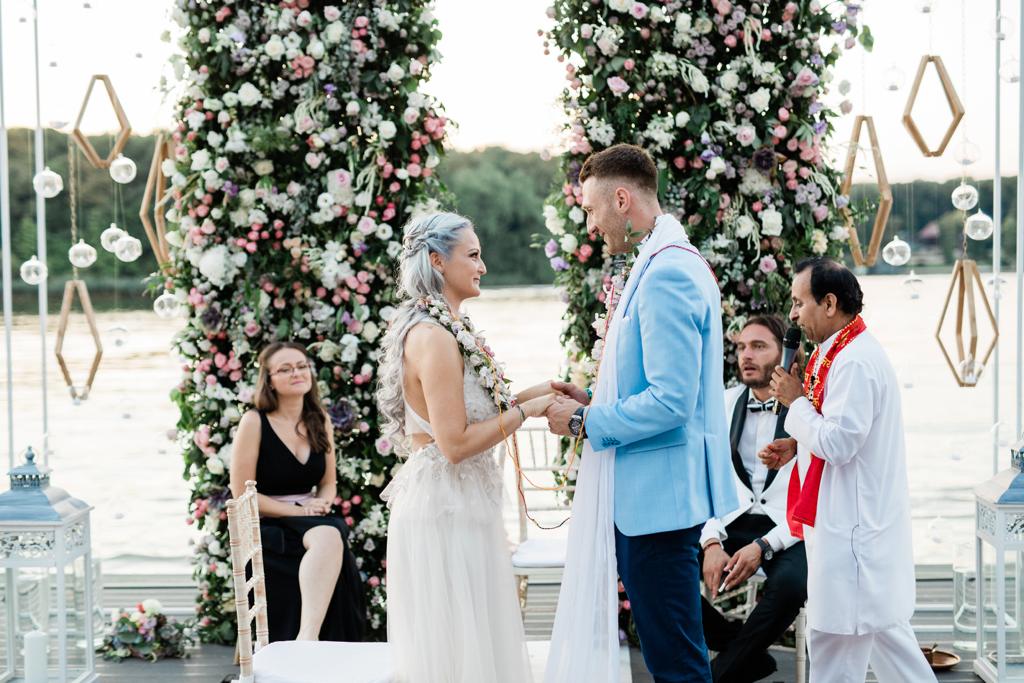
In today’s fast-moving digital era, the concept of ceremony is experiencing a profound revival. Once considered the domain of tradition and religion, ceremonies are now being reimagined for the modern context — in workplaces, personal milestones, artistic communities, and even virtual spaces. Rather than being mere formalities, they have evolved into meaningful acts of connection and reflection. Modern ceremonies embody purpose, identity, and belonging, serving as anchors of meaning in an otherwise transient world.
The Evolution of Ceremony in Contemporary Society
Ceremonies have always helped civilizations mark transitions — from birth to adulthood, from one ruler to another, from harvest to renewal. What’s changed is not their importance, but their form and intent. In a time when people crave authenticity and emotional connection, rituals are being transformed into conscious experiences that merge the symbolic with the practical.
From Tradition to Reinvention
Unlike the rigid formalities of the past, today’s ceremonies are adaptive, creative, and inclusive. They transcend cultural borders and often reflect personal philosophies rather than institutional dogma. From non-religious weddings to digital memorials, the essence remains the same: to pause, acknowledge, and find meaning in transformation. Modern ceremonies often integrate music, storytelling, art, or even technology to make these experiences more immersive and personal.
The Rise of Secular and Hybrid Rituals
The 21st century has witnessed a surge in secular and hybrid ceremonies — events that combine old-world symbolism with contemporary values. Sustainability pledges, virtual graduations, and “coming-of-age” retreats for adults have become new-age expressions of commitment and community. These rituals are not bound by doctrine but by shared emotion, often revolving around themes like mindfulness, environmental ethics, or social justice. They’re less about worship and more about witnessing — a collective act of being present.
Corporate Ceremonies: Building Culture Through Ritual
In the professional world, ceremony is emerging as a powerful tool for reinforcing company culture, acknowledging growth, and enhancing team cohesion. Far from being superficial, these modern rituals give organizations a human heartbeat.
Leadership Transitions and Symbolic Continuity
When leadership changes hands, it can unsettle the collective identity of a company. A well-designed leadership transition ceremony helps bridge this gap. Passing a symbolic object, recounting shared milestones, and expressing gratitude for the outgoing leader can transform what might have been a bureaucratic event into a moment of continuity and trust. It sends a clear message that the organization honors its journey — and that every transition is a shared story, not a disruption.
Onboarding as a Rite of Passage
Onboarding can be more than paperwork and introductions. When treated as a rite of passage, it helps new employees align emotionally with the company’s mission. Some organizations host “Welcome Circles” or storytelling sessions where founders share the company’s origin story and values. Others introduce symbolic rituals, such as signing a vision statement or planting a tree on behalf of a new employee, to instill a sense of shared responsibility. These gestures, though simple, cultivate belonging from day one.
Milestone Celebrations and Shared Reflection
Work anniversaries, project completions, and product launches can be turned into mini-ceremonies that reinforce appreciation and purpose. For instance, inviting team members to share lessons learned or gratitude moments adds reflection and meaning beyond metrics. Symbolic objects — a handcrafted token, a shared photo journal, or even a digital badge — act as lasting reminders of collective effort. In a world where burnout is common, these rituals nurture emotional sustainability.
Personal and Social Ceremonies in the Modern Era
Beyond the workplace, ceremonies are being reclaimed as acts of intentional living. They mark emotional, psychological, and spiritual growth in ways that traditional ceremonies never could.
The Rise of Self-Designed Life Ceremonies
People are increasingly crafting personal ceremonies to honor inner milestones — recovering from loss, ending toxic patterns, or beginning a new chapter. These self-created rituals often draw from multiple traditions: lighting candles for release, writing letters for closure, or gathering close friends to witness transformation. Such ceremonies bring mindfulness to moments that might otherwise go unnoticed, turning everyday transitions into opportunities for growth.
Community-Centered Rituals
Local communities and creative collectives are also rediscovering ceremony as a way to strengthen bonds. Street art unveilings, environmental cleanups, and community feasts are infused with ritualistic elements like opening blessings or group reflections. These gatherings remind participants that collective action is sacred in its own way. By transforming shared goals into ceremonial moments, communities create emotional investment and continuity.
Digital Ceremonies: Ritual in the Age of Screens
Even the virtual realm has found ways to embrace ceremony. From live-streamed memorials to digital award nights and online weddings, the internet is becoming a new stage for human connection. While some may question their authenticity, virtual ceremonies can be deeply moving when designed with care — incorporating symbolic pauses, shared silence, or synchronized gestures across screens. Technology may have changed the medium, but the essence of ceremony — the honoring of presence — remains intact.
The Psychological and Emotional Impact of Ceremonial Practice
Modern psychology increasingly recognizes what ancient cultures knew intuitively: ritual creates emotional order. Ceremonies help structure chaos, offering the mind a sense of closure, clarity, and continuity.
Ritual as a Tool for Healing
In times of uncertainty or grief, ceremony provides a framework for emotional expression. It externalizes pain and allows individuals to witness their own transformation. Whether through lighting a candle, releasing words into water, or engaging in collective silence, these gestures convert emotion into action, helping people move from loss toward meaning.
Enhancing Mindfulness and Connection
Ceremonial acts encourage presence. They remind participants to slow down, breathe, and recognize significance. In a culture obsessed with multitasking, these pauses are radical. When people engage in ceremony — whether at a wedding, a corporate milestone, or a personal retreat — they temporarily step out of routine and into awareness. That shift, though subtle, has profound effects on focus, empathy, and community cohesion.
Designing Meaningful Modern Ceremonies
Creating a meaningful modern ceremony involves intention, symbolism, and participation. It’s not about grandeur but authenticity.
Key Elements of a Transformative Ceremony
-
Intention: Define the “why.” What is being honored or transformed?
-
Symbolism: Choose objects, gestures, or sounds that represent the purpose.
-
Participation: Invite attendees to contribute, witness, or co-create the experience.
-
Timing: Mark transitions naturally — beginnings, endings, or renewals.
-
Reflection: Allow space for silence, gratitude, or collective expression.
The most memorable ceremonies balance emotional resonance with simplicity. Whether it’s a corporate event, a personal ritual, or a digital gathering, the goal is the same: to create a shared moment of meaning that outlives the occasion itself.
The Future of Ceremony: Reconnection and Purpose
As society grows more digital, people are yearning for authenticity and connection. Ceremonies — once thought to be fading traditions — are becoming essential tools for modern life. They offer rhythm to chaos, meaning to change, and unity to diversity. In the coming years, expect ceremonies to expand further into technology, sustainability, and even artificial intelligence — transforming not just how we celebrate, but how we remember, reflect, and reconnect.
FAQs
1. What differentiates a modern ceremony from a traditional one?
Modern ceremonies are designed around personal or collective intention rather than inherited customs. They are inclusive, adaptable, and often non-religious.
2. Can corporate ceremonies genuinely impact workplace culture?
Yes, when thoughtfully created, they can enhance trust, morale, and emotional connection within teams, turning abstract values into shared experiences.
3. How can individuals create meaningful personal rituals?
Start with intention. Use symbols or actions that resonate with your purpose, and invite reflection or community involvement when appropriate.
4. Are digital ceremonies as effective as in-person ones?
If designed with emotional presence and symbolic engagement, digital ceremonies can be equally impactful, especially for global communities.
5. What role does symbolism play in ceremony design?
Symbolism translates emotion into form, giving meaning to gestures, objects, and language — the heart of any ceremonial experience.
6. How do ceremonies contribute to emotional well-being?
They provide closure, affirmation, and mindfulness, helping individuals process change, loss, or achievement more meaningfully.
7. What trends are shaping the future of modern ceremonies?
Eco-conscious rituals, AI-assisted memorials, inclusive spiritual gatherings, and virtual reality-based ceremonies are shaping the next wave of modern ritual culture.
