
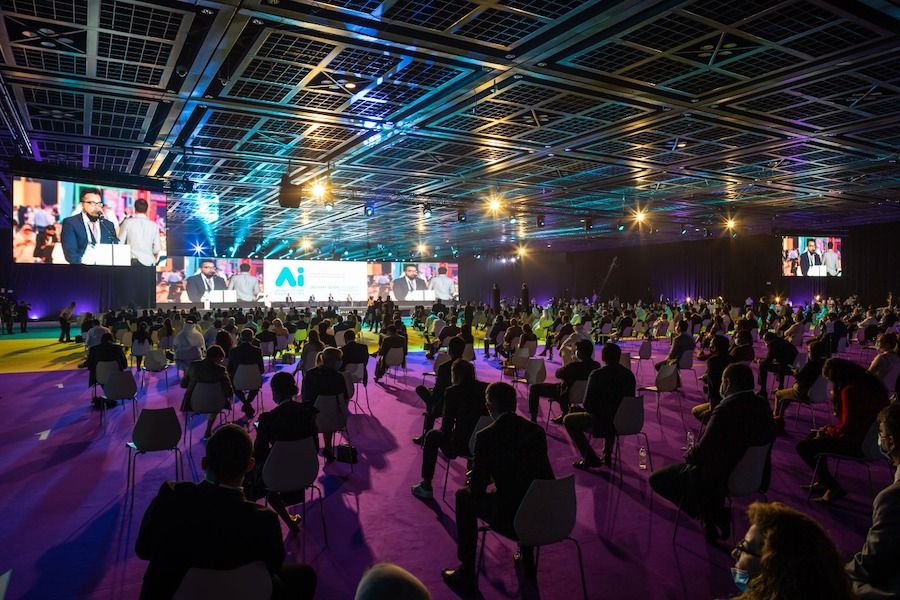
The world of venue selection has transcended the basics of capacity, location, and aesthetics. Today’s event professionals focus on creating immersive environments that tell stories, support brand identity, and elevate audience engagement. A venue is no longer just a physical space—it’s a strategic tool for shaping experiences, influencing perception, and amplifying messages.
The Venue as a Brand Amplifier
Modern venues act as extensions of an organization’s personality. Every architectural line, color tone, and lighting choice can mirror the brand’s philosophy. A venue with futuristic design and glass facades projects innovation, while a heritage mansion evokes sophistication and legacy. Aligning your venue’s character with your brand’s identity ensures a cohesive and memorable experience for attendees.
Architectural Storytelling
Choosing a venue with a strong architectural identity transforms the entire event atmosphere. Industrial lofts or converted factories offer a raw, creative edge ideal for tech or fashion events. Meanwhile, art galleries or historic buildings add depth, prestige, and cultural resonance. Each element—from exposed brickwork to vaulted ceilings—becomes part of the story you tell your audience.
Visual and Emotional Cohesion
Lighting, materials, and layout must harmonize with the event’s purpose. Minimalist, monochrome spaces foster focus and clarity for corporate gatherings, whereas warm, textured interiors enhance social engagement. The venue’s design should subtly echo your event’s tone, creating emotional alignment without overstaging.
Adaptive Spaces and Immersive Design
In the modern event landscape, static venues are becoming obsolete. Today’s demand is for transformative environments—spaces that adapt dynamically to different stages of an event.
Spatial Flexibility
A successful venue should enable seamless transitions between sessions, activities, and moods. Open-plan venues with movable partitions, modular furniture, and convertible lighting systems allow planners to redesign flow without disruption. This flexibility transforms attendee behavior, encouraging exploration and sustained engagement.
Immersive Technology Integration
Advanced venues now integrate digital storytelling tools—interactive LED walls, augmented reality projections, and responsive lighting that reacts to audience movement. These technologies make the event narrative tangible, turning passive audiences into active participants. When tech infrastructure is built-in, it reduces logistical friction and enhances creative control.
Sustainability and Ethical Venue Choices
Environmental and social responsibility have become essential pillars in venue strategy. Today’s audiences expect brands to embody sustainability not just in products but in event execution.
Eco-Conscious Infrastructure
Leading venues now feature energy-efficient systems, renewable energy sources, and zero-waste catering protocols. Green rooftops, water recycling, and compostable materials are becoming standard expectations rather than add-ons. Choosing a certified sustainable venue demonstrates integrity and forward-thinking leadership.
Inclusivity and Accessibility
Ethical venue selection extends beyond the environment—it includes human experience. Fully accessible layouts, quiet zones for neurodiverse attendees, and inclusive design (gender-neutral restrooms, multilingual signage) reinforce the event’s commitment to diversity and respect. Inclusivity transforms a venue from a space that hosts people to one that welcomes them.
Multi-Sensory Venue Experiences
The modern attendee craves emotional resonance. Crafting a multi-sensory journey within the venue helps build stronger cognitive and emotional memories.
Sound and Acoustics
Poor acoustics can undermine even the best-designed event. Spaces that offer customizable acoustic control—sound-absorbing panels, zone-specific audio settings, or directional speakers—allow precision storytelling without auditory fatigue.
Scent and Atmosphere
Scent branding, once limited to luxury retail, is entering the event world. Subtle diffusion of brand-aligned scents (like citrus for energy or sandalwood for calm) can subconsciously enhance focus and emotional recall.
Lighting and Mood
Dynamic lighting systems can mirror the event’s emotional rhythm—soft lighting for networking sessions, bright hues for keynote moments, and color transitions that guide crowd movement. Smart lighting isn’t just aesthetic; it’s behavioral design.
Data-Driven Venue Decision Making
Venue strategy today is increasingly informed by data and analytics. By using real-time insights, event planners can select venues that align not only with creative vision but measurable goals.
Predictive Demand and Capacity Modeling
Advanced venue platforms now provide analytics on attendance patterns, dwell time, and heat maps. Understanding how attendees move through space allows planners to optimize layout, staffing, and flow for better engagement.
Measuring Engagement Through Design
Post-event analytics—collected via mobile apps, surveys, or sensor data—reveal how design impacted behavior. Did attendees stay longer in certain zones? Were networking areas underused? These insights inform future venue choices and layout improvements.
The Rise of Hybrid and Metaverse Venues
Hybrid and virtual venues are revolutionizing what “space” means. The boundaries between physical and digital are blurring, creating a new paradigm of venue design.
Hybrid Compatibility
Physical venues are now designed to host both in-person and virtual audiences simultaneously. High-speed internet, built-in streaming suites, and digital audience integration features ensure global participation without compromising intimacy.
Virtual Twins and Metaverse Events
Forward-thinking organizations are building virtual replicas of physical venues—known as “digital twins.” These allow attendees to explore, network, and interact online in real time. As metaverse infrastructure grows, venue selection will expand from geography to platform, opening new dimensions of experience.
Strategic Collaboration with Venue Partners
Selecting the right venue also means choosing a strategic collaborator. Modern venues offer co-creative partnerships where managers, designers, and technologists work with organizers to craft experiences that feel seamless and intentional.
Co-Creation Opportunities
Venues that provide in-house creative teams or event labs save time and encourage innovation. From co-designing interactive installations to customizing spatial branding, collaboration ensures alignment from vision to execution.
Continuous Innovation
Look for venues that actively evolve their offerings—those investing in sustainability upgrades, digital integrations, or audience analytics. A venue’s innovation roadmap signals its readiness for long-term partnership and adaptive scalability.
FAQs
1. What differentiates a modern venue from a traditional one?
Modern venues emphasize adaptability, integrated technology, sustainability, and immersive design over mere aesthetics and capacity.
2. How can venue architecture impact brand storytelling?
Architecture sets the emotional tone. The materials, layout, and history of a venue can mirror your brand’s values, enhancing the narrative of the event.
3. What makes a venue “sustainable” today?
Sustainability involves energy efficiency, waste management, ethical sourcing, accessibility, and environmental certifications such as LEED or ISO 20121.
4. How can venues enhance attendee engagement through design?
By incorporating sensory design, spatial flexibility, and interactive technologies, venues stimulate attention and encourage emotional connection.
5. Why is data important in venue selection?
Data provides measurable insights into attendee behavior, helping optimize layout, engagement strategies, and future event decisions.
6. What are hybrid venues, and why are they valuable?
Hybrid venues bridge physical and virtual experiences, expanding reach and accessibility while maintaining event cohesion.
7. How do venue partnerships influence event success?
Collaborative venues bring expertise, creativity, and infrastructure that align with your goals—reducing friction and elevating execution quality.
