
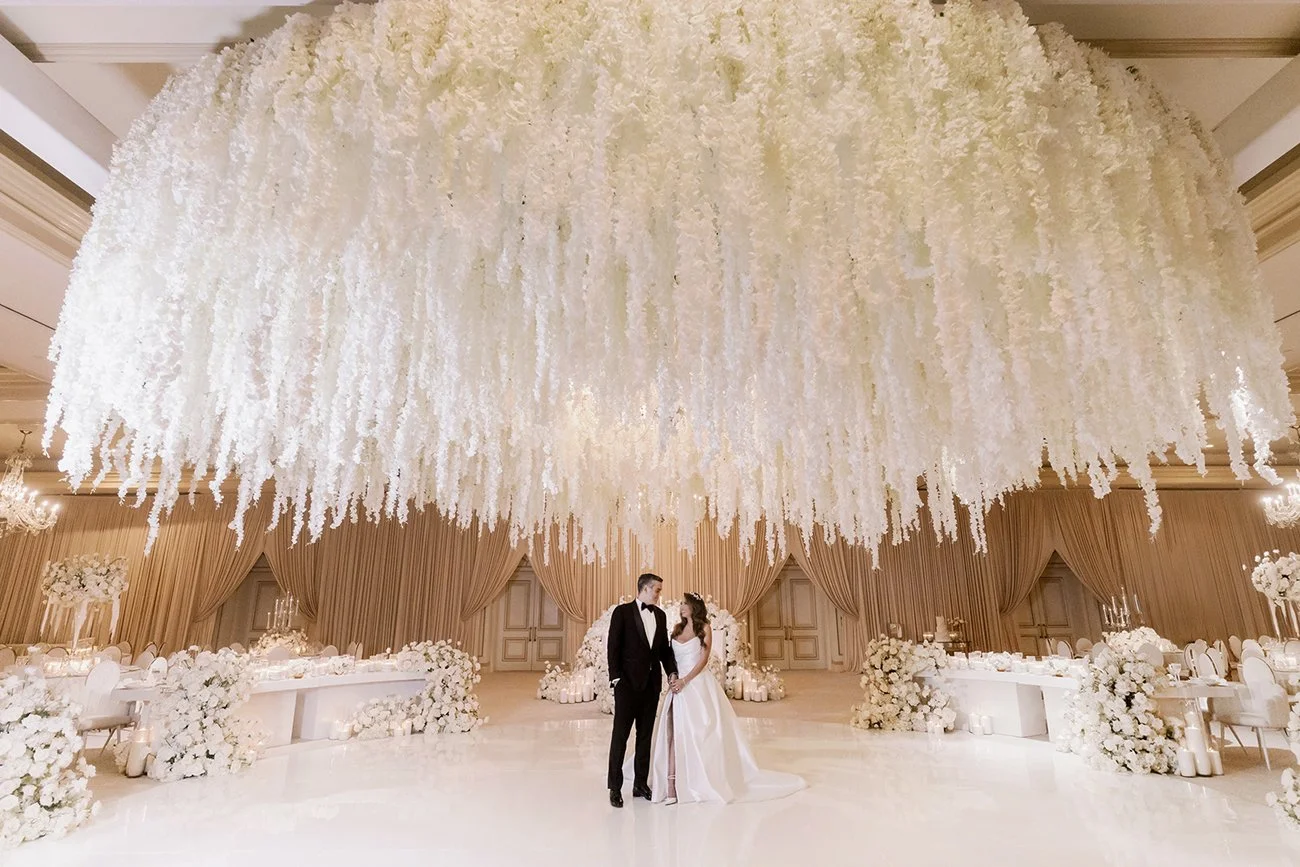
In the world of high-end weddings, extravagance alone no longer defines luxury. Today’s most sophisticated celebrations are built on emotion — not excess. Top-tier wedding planners understand that true luxury lies in how an event makes people feel. It’s not the size of the chandelier but the depth of the memory it creates.
Redefining Luxury in Modern Wedding Planning
Luxury once meant lavish budgets, ornate décor, and celebrity venues. But modern couples — particularly those with global perspectives — now value meaningful personalization over material display. They seek experiences that mirror their shared story, cultural identity, and emotional connection.
Elite planners have adapted by shifting focus from what’s impressive to what’s intimate. They curate emotionally resonant experiences through storytelling, sensory design, and psychological insight. The result is a wedding that feels cinematic yet deeply personal.
The New Pillars of Luxury
-
Emotional Storytelling – Every element, from the music to the menu, is chosen to reflect the couple’s emotional journey.
-
Sensory Cohesion – Colors, scents, lighting, and even temperature contribute to a multi-sensory narrative.
-
Psychological Flow – Guest experiences are designed to guide emotion — from anticipation to connection, and finally, to catharsis.
This new definition of luxury demands a planner who is part artist, part psychologist, and part experience architect.
The Emotional Blueprint: Designing a Wedding that Feels
Exceptional planners begin by crafting an emotional blueprint — a psychological map of how the couple and their guests should feel at each stage of the event. It’s not just about visual aesthetics but emotional choreography.
Step 1: The Anticipation Stage
This phase builds excitement. Invitations, teaser videos, and design previews set the tone. A planner uses color psychology — soft tones for romance, metallics for grandeur — to evoke the desired feeling before the first guest arrives.
Step 2: The Immersion Stage
When guests enter the venue, their senses are immediately engaged. The best planners use strategic sensory design:
-
Lighting sets the mood — warm light evokes intimacy, while dynamic lighting creates excitement.
-
Music triggers nostalgia and emotion, connecting guests through rhythm and memory.
-
Scent design adds an invisible layer — custom fragrances often anchor the memory of the day.
Step 3: The Emotional Climax
Every great wedding needs a defining emotional moment — a memory that lingers. Whether it’s a cinematic vow exchange under a starlit canopy or a surprise cultural ritual, this climax becomes the emotional core of the event. Expert planners time these moments perfectly, aligning them with music, lighting, and crowd energy to create a powerful collective response.
Step 4: The Connection Phase
The reception isn’t just dinner and dancing anymore; it’s designed for connection. Interactive elements like story-driven tablescapes, live art, or personal thank-you notes enhance emotional intimacy. A skilled planner ensures that guests feel they’re part of the love story, not merely observing it.
The Role of Behavioral Psychology in Event Flow
Advanced wedding planners study how guests think, feel, and move through a space. By leveraging behavioral psychology, they create environments where people naturally experience positive emotions and deeper social bonds.
Emotional Mapping
Planners now use emotional mapping techniques to anticipate how guests will feel in different zones — ceremony areas, cocktail lounges, and dance floors. This allows them to arrange lighting, sound, and layout to reinforce the intended mood.
The Science of First Impressions
Within seven seconds of arrival, a guest’s perception of the event is set. Luxury planners understand this cognitive bias and ensure the entrance experience delivers instant wonder — often through scent, design contrast, or sound immersion.
The Memory Anchor Technique
Emotional memories are strongest when associated with unique sensory stimuli. Some planners use signature perfumes, live music motifs, or textured keepsakes to trigger long-term emotional recall. When guests remember the scent or sound years later, they relive that wedding moment.
Cultural Psychology and the Global Luxury Couple
Today’s luxury weddings often blend cultures, languages, and traditions. Expert planners interpret these differences through emotional intelligence — ensuring every cultural element feels authentic and emotionally inclusive.
Emotional Inclusivity
When merging diverse customs (for instance, an Italian-Indian wedding), planners must balance the emotional significance of rituals. Each tradition is integrated to honor, not overshadow the other, allowing both families to feel represented.
Symbolism with Emotional Purpose
Colors, music, and food are cultural signifiers. A luxury planner uses them not just for aesthetics, but for meaning — saffron for warmth and vitality, white roses for unity, or ancestral recipes to evoke nostalgia. These symbolic layers create emotional bridges across generations.
Personalization Through Emotional Data
Elite planners often employ emotional data gathering — subtle methods to understand what moments matter most to the couple. Instead of asking for themes or palettes, they ask questions like:
-
“What emotion do you want guests to feel as they walk into your ceremony?”
-
“What’s a moment from your relationship that still gives you goosebumps?”
These answers become creative fuel. From lighting sequences to speech cues, everything is designed to recreate those signature emotions.
The Role of Technology in Emotional Luxury
Innovation has redefined wedding planning, but the most successful uses of technology are invisible yet emotional.
-
3D mood boards and VR previews allow couples to emotionally connect with design concepts before the event.
-
AI-assisted music curation matches playlists with the emotional tone of each phase.
-
Real-time lighting adjustments during speeches or dances heighten emotional moments subconsciously.
When used thoughtfully, technology doesn’t replace emotion — it amplifies it.
Sustainability as a Form of Emotional Integrity
Luxury couples are increasingly emotionally invested in ethical celebrations. Planners who integrate sustainability — like zero-waste décor or locally sourced florals — connect luxury with conscience. This emotional integrity elevates the brand of both the couple and the planner.
Eco-luxury is no longer a trend but a reflection of emotional maturity. A couple that celebrates love responsibly creates a deeper resonance with their guests and with the world.
Emotional Afterglow: Crafting Post-Wedding Memory Experiences
The emotional journey doesn’t end when the music stops. Elite planners design afterglow experiences that extend the sentiment beyond the wedding day.
-
Personalized post-event videos or digital memory galleries help couples relive the emotions authentically.
-
Thank-you notes embedded with fragrance or texture re-trigger the emotional signature of the day.
-
Follow-up dinners or mini events allow couples to celebrate their “afterstory,” reinforcing emotional continuity.
By crafting these thoughtful post-event touchpoints, planners transform a single day into a lifelong emotional imprint.
FAQs on Emotionally Intelligent Wedding Planning
1. How does emotional design differ from traditional wedding design?
Emotional design focuses on how guests feel rather than how things look. Every detail — from lighting to scent — is chosen to evoke emotion, not just visual impact.
2. Can emotional planning work for destination weddings?
Yes. Destination weddings offer natural emotional triggers like scenery and atmosphere. The planner enhances these with personalized storytelling and sensory cues.
3. How do planners identify a couple’s emotional style?
Through deep interviews, shared experiences, and emotional association exercises — not just color swatches or Pinterest boards.
4. Is emotional wedding planning only for luxury budgets?
No. While luxury planners refine it to an art form, emotional resonance can be created at any scale with thoughtful intention and storytelling.
5. What role does scent play in luxury weddings?
Scent anchors memory. A signature fragrance can instantly recall the emotion of the day years later, making it one of the most powerful emotional tools.
6. How can cultural diversity be emotionally unified in weddings?
By focusing on shared values like love, family, and gratitude, and weaving traditions in a way that emotionally honors every participant.
7. What’s the future of emotionally intelligent weddings?
The future blends neuroscience, sustainability, and immersive design — where weddings become living emotional experiences, not just social events.
Final Thought: The next evolution of wedding planning belongs to those who understand emotion as deeply as logistics. In the era of experiential luxury, a truly extraordinary planner isn’t just organizing a celebration — they’re composing an unforgettable emotional symphony.
