
5
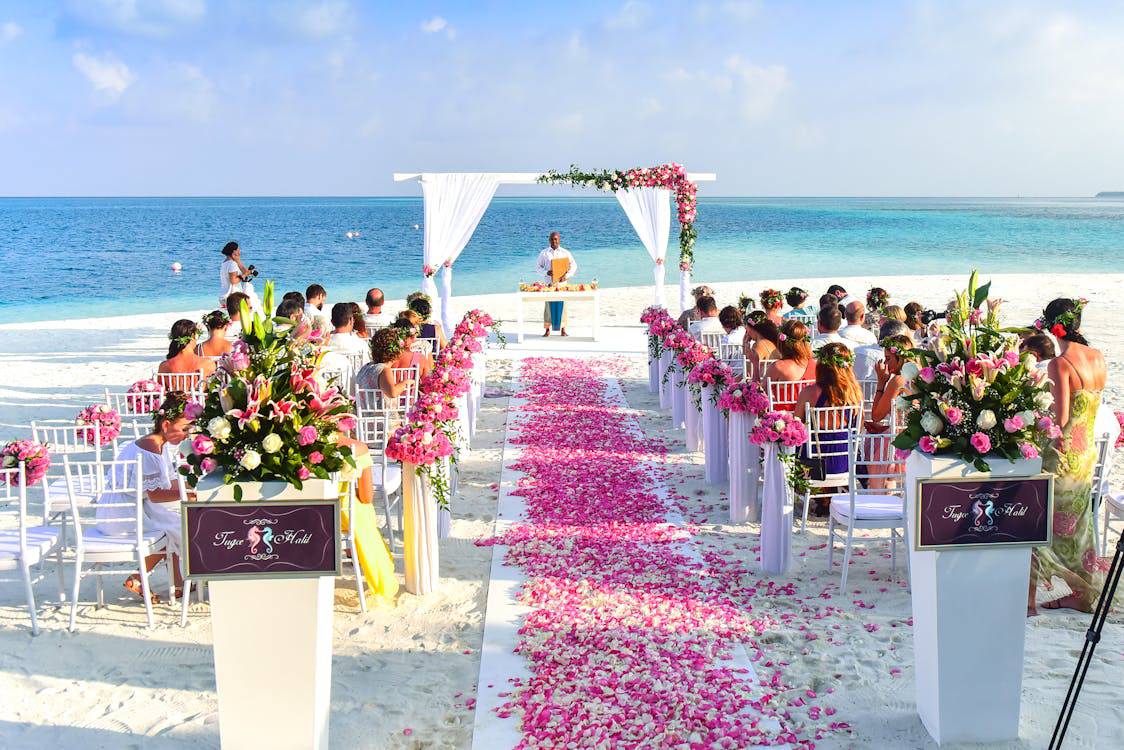
Coordinating a destination wedding demands a fundamental shift in operational strategy. When a couple trades a local ballroom for a historic European villa, a Caribbean coastline, or an alpine retreat, the wedding planner ceases to be a simple event designer and becomes an international logistics director. The production extends across multiple days, unfamiliar legal jurisdictions, and complex transit webs.
At this level of event management, aesthetic vision means very little without bulletproof operational infrastructure. Even the most stunning floral installation or breathtaking ocean view cannot salvage an itinerary derailed by customs seizures, inadequate power grids, or stranded guests. Delivering an exceptional client experience requires identifying friction points long before the first guest boards a flight.
Navigating International Legalities and Civil Requirements
Establishing the legal validity of a marriage performed abroad is one of the earliest and most consequential hurdles a planner must address. Every country imposes its own regulatory labyrinth, which can range from minor paperwork to months-long administrative bottlenecks.
Certain destinations enforce strict residency waiting periods, requiring the couple to be physically present in the country for several days before applying for a marriage license. Others demand sworn translations of birth certificates, apostille authentications from foreign ministries, proof of single status, or even mandatory premarital blood tests.
Because navigating foreign bureaucracies can introduce severe liability and stress, seasoned professionals frequently advise clients to perform a civil legal ceremony at home prior to departure. The destination event then functions as a symbolic, celebratory rite. If the couple insists on a legally binding wedding on foreign soil, secure a trusted local legal liaison or bilingual officiant early to verify filing deadlines and prevent clerical errors from invalidating the union.
Managing Freight, Customs, and Procurement
Shipping decor, stationery, and personalized wedding gifts across international borders routinely catches inexperienced planners off guard. Standard courier delivery times rarely apply to overseas cargo, and shipments labeled as event materials often trigger intense scrutiny from customs officials.
High-value decor or bulk welcome gifts can easily be impounded at port-of-entry customs hubs pending exorbitant import duties, tariff disputes, or missing documentation. The most dependable rule of thumb is to procure materials regionally whenever possible. Partner with local rental houses, florists, and artisans rather than attempting to freight fragile furnishings across continents.
For items that must travel from the client’s home base, such as bespoke paper goods or custom wardrobe pieces, avoid shipping companies entirely. Allocate these essentials to the carry-on luggage of the planning team or bridal party. If specialized technical gear must travel with your primary photography or production crew, ensure they secure an ATA Carnet, an internationally recognized passport for cargo that permits the temporary importation of commercial equipment without paying import duties.
Vetting Regional Vendors and Navigating Cultural Nuance
Building a reliable regional vendor team requires looking beyond curated social media portfolios. When sourcing florists, lighting technicians, caterers, and drivers in a remote market, operational reliability takes precedence over marketing polish.
Conduct thorough video interviews to evaluate communication cadence, language fluency, and payment protocols. Payment terms in foreign destinations frequently differ from standard domestic practices. You may encounter vendors who require wire transfers over credit card processing, operate with differing invoice standards, or work without formal contracts written in standard US commercial English.
Equally important is respecting local business rhythms and pacing. In many resort regions, communication cycles operate on a noticeably relaxed timetable. Forcing high-velocity corporate pacing onto regional artisans often damages professional goodwill. Build generous buffers into your planning calendar to accommodate slower response windows, and establish clear, firm milestones well ahead of production week.
Assessing Remote Site Infrastructure and Power Demands
Historic estates, private villas, and isolated beachfronts offer extraordinary scenery, but they rarely provide the robust utility backbone found in purpose-built conference centers or commercial venues. A historic Tuscan farmhouse, for example, may trip its primary breaker the moment a live band plugs in sound amplification alongside commercial catering ovens.
Conduct a rigorous infrastructure audit during the initial site visit. Calculate the collective wattage requirements of the band, DJ, lighting arrays, catering refrigeration, and portable air-conditioning units against the venue’s dedicated electrical service. If there is any question regarding capacity, budget for a whisper-quiet commercial generator to operate as a completely independent power source for production elements.
Confirm the practical realities of load-in routes as well. Narrow cobblestone corridors, steep hillside switchbacks, or unpaved coastal roads may prevent standard box trucks from accessing the property. Planners must coordinate smaller transport shuttles and manual labor teams to haul staging, tables, and floral structures to the event perimeter.
Accounting for Microclimates and Environmental Volatility
Regional weather averages provide a misleading picture of event-day conditions. While a region may claim year-round sunshine, specific venues frequently contend with dramatic local microclimates that threaten outdoor structural stability and guest comfort.
Cliffside coastal locations often experience sudden, violent wind gusts during late afternoon hours that can topple light table settings, blow out candle centerpieces, and compromise unsupported floral arches. Mountain valleys can see temperatures plummet by thirty degrees Fahrenheit the moment the sun drops behind the ridge.
Every outdoor destination design requires a non-negotiable Plan B that extends beyond a hasty rain tent. A proper contingency space must have equal visual appeal, sufficient square footage to house the entire guest count comfortably, and climate controls tailored to unexpected heat or unseasonal cold. Secure written commitments on setup cutoff times so vendors know precisely when to execute the secondary layout without causing delays.
Centralizing Guest Transit and Group Movement
The guest journey begins long before arrival at the venue. Destination weddings place an enormous logistical burden on attendees, many of whom are navigating foreign airports, unfamiliar currencies, and unfamiliar languages. Friction in travel arrangements inevitably reflects on the couple’s hosting reputation.
Establish centralized transportation frameworks for all official gatherings. Avoid leaving guests to navigate rural taxi networks or ride-sharing apps that may not operate reliably outside major metropolitan zones. Retain dedicated shuttles for airport arrivals and departures, rehearsal dinners, and main ceremony transfers.
To maintain order across a three-day celebration, implement a clear digital communication channel. A well-structured wedding website, accompanied by an opt-in messaging system for real-time schedule updates or transit adjustments, keeps guests informed and minimizes repetitive inquiries directed at the wedding party or your coordination team.
Executing an exceptional destination wedding demands meticulous attention to operational detail. By addressing legal requirements, supply-chain hurdles, infrastructure constraints, and transit logistics from the very beginning of the planning process, you protect your client’s investment and deliver a seamless, memorable celebration.
